
Building Skills
In schools, careers education has traditionally focused on qualifications, pathways, and destinations. These are important, but they are no longer enough on their own. In an increasingly competitive and fast-changing labour market, it is skills, particularly human‑centric and transferable skills, that enable young people not only to secure employment, but to thrive once they get there.
I recently heard someone say “your grades may get you the interview, but your skills will get you the job”. This really stuck with me and it is so true, yet many students struggle to articulate the skills they have, explain how they have developed them, or apply them confidently to new and unfamiliar situations. This gap is one that careers education must actively address.
Many young people have skills, but they do not recognise them as such. They volunteer, take part in group work, play sport, care for siblings, work part‑time, or contribute to their communities, yet they struggle to translate these experiences into the language of skills. When asked about teamwork, communication, resilience or problem‑solving, students often see these as abstract concepts rather than abilities they already practise every day.
This lack of confidence and vocabulary becomes a barrier. Students may perform well academically but fall short in interviews, applications, and workplace interactions because they cannot evidence their skills or adapt them to different contexts. Improving this ability is essential if we are to prepare young people for the realities of the modern workplace.
While technical skills will always have a place, it is ‘soft’ skills that employers increasingly value. Skills such as communication, adaptability, teamwork, critical thinking, empathy and resilience are difficult to automate and essential across all sectors.
These skills are also highly transferable. A student who can communicate clearly in a classroom discussion can use the same skill in a team meeting. A young person who shows resilience in balancing school and part‑time work is demonstrating a capability that employers actively seek. Careers education must help students make these connections explicit.
One of the most important roles of careers education is helping students move from doing to understanding. This means supporting them to:
- Identify the skills they are using in everyday activities
- Reflect on how those skills were developed
- Practise articulating those skills clearly and confidently
- Apply the same skills to new and unfamiliar situations
When students learn to translate experience into skills, they gain agency. They begin to see themselves as capable individuals with something to offer, and employers recognise this too.
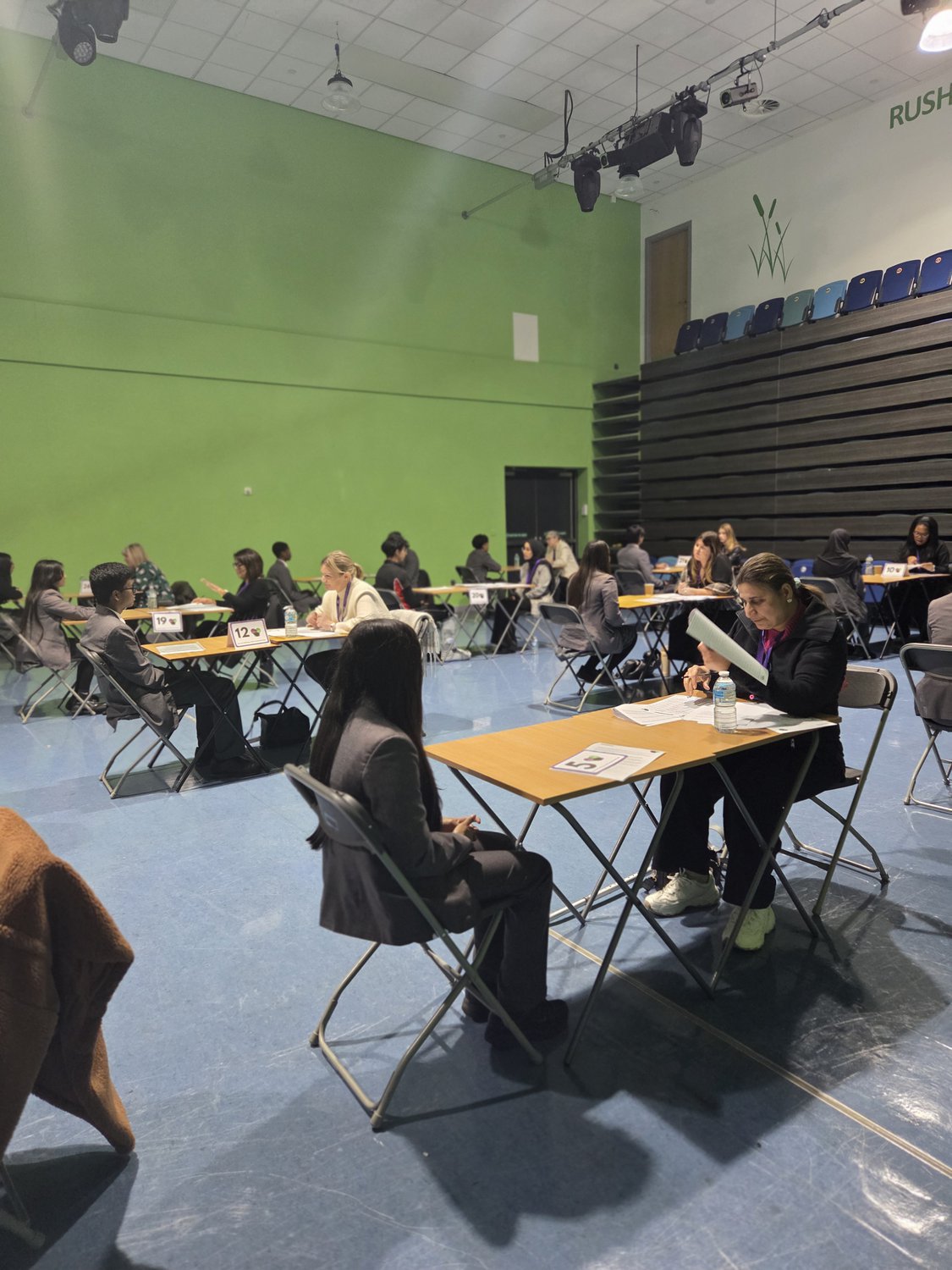
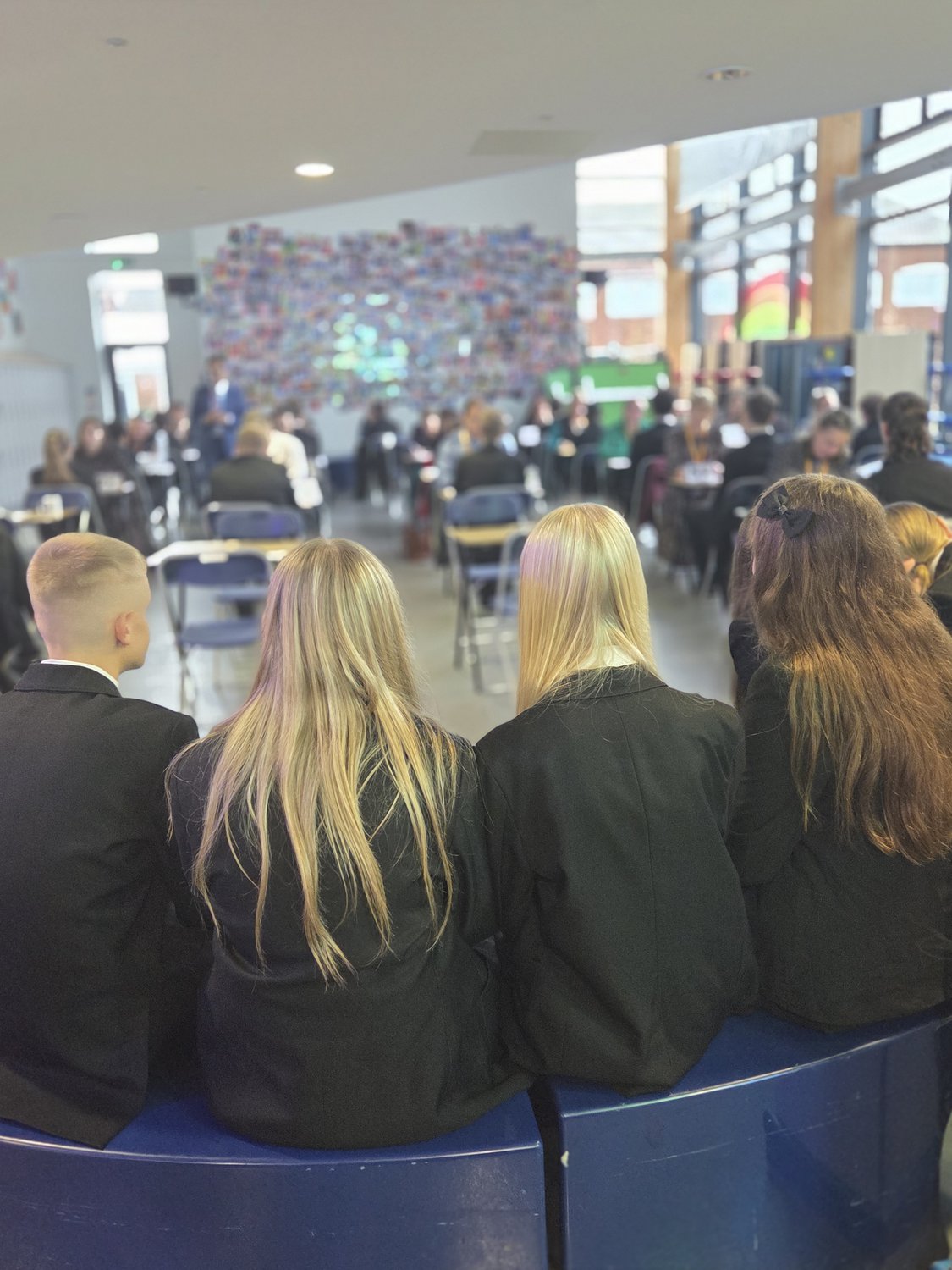
Employer engagement is critical in making skills meaningful. Hearing directly from people in the workplace helps students understand how skills are used in real roles, why they matter, and how they can be developed over time. By working with employers, we can bridge the gap between education and employment - giving students not just information about jobs, but the tools to succeed in them.
The future of work is uncertain, but one thing is clear: students will need to adapt, learn continuously, and apply their skills in different ways throughout their lives. Careers education must therefore go beyond routes and results, embedding skills reflection and development at every stage. By prioritising skill building, making explicit links between experience and employability, and giving students the language to talk about what they can do, we empower young people to take ownership of their futures.
Because while grades may open the door, it is skills - human, transferable and confidently communicated - that help students walk through it.
Get Involved
Building confident, skilled young people is a collective effort and schools and businesses both have a vital role to play.
For businesses:
If you want to make a meaningful difference in your local community, working with Leicestershire Cares offers the opportunity to support young people to develop the human-centric and transferable skills employers value most. By volunteering your time, sharing your experiences, and taking part in our sessions, you can help students understand the skills they already have and how to apply them in the world of work.
For schools:
If you are looking to strengthen your careers education offer and support students to better articulate and apply their skills, Leicestershire Cares can help. Our employer-led sessions are designed to complement the curriculum and prepare young people for their next steps with confidence.
Together, we can bridge the gap between education and employment, ensuring that young people leave school not only with qualifications, but with the skills, language and self-belief to succeed.
To find out more about working with Leicestershire Cares, please get in touch with our Education Team at bella@leicestershirecares.co.uk